
Cementitious Waterproofing
What is Cementitious Waterproofing?
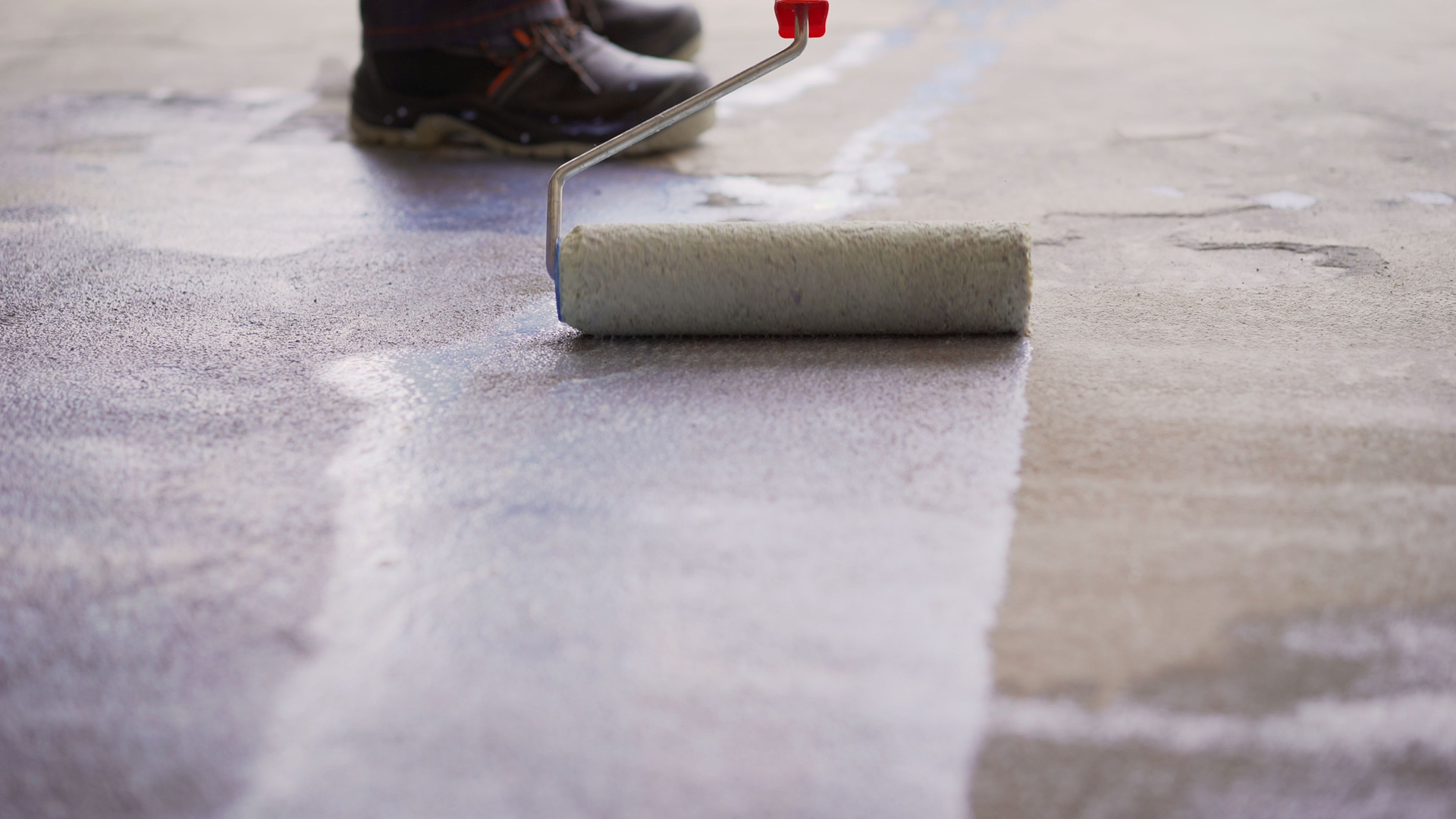
Cementitious waterproofing is a popular method where a cement-based coating is applied to surfaces (like concrete, masonry, or brick) to make them water-resistant and protect structures from water infiltration.

Key Features
Durability: Provides long-lasting protection against water damage, often lasting for decades.
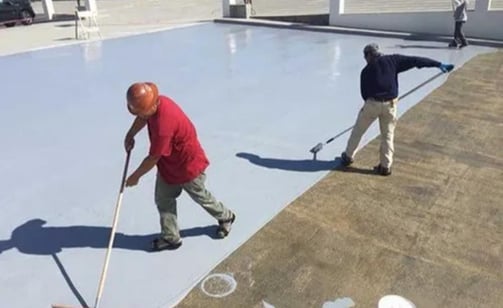
Versatility: Suitable for various surfaces, including basements, water tanks, rooftops, and swimming pools.
Ease of Application: Can be applied using basic tools like brushes, rollers, or sprays, making it straightforward and efficient
Where we apply cementitious waterproofing?
Internal Wet Areas: Commonly used in bathrooms, kitchens, and basements to prevent water seepage.
Water Storage Structures: Ideal for waterproofing water tanks and reservoirs.
Concrete Surfaces: Protects foundations, walls, and roofs from water damage.
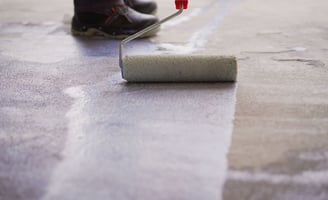

Benefits of cementitious waterproofing
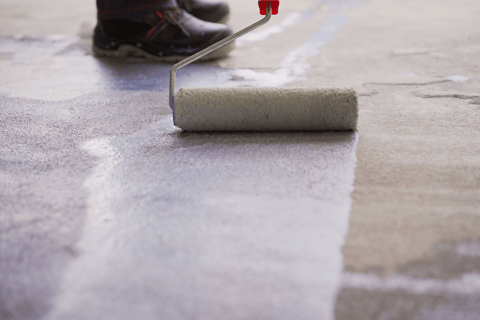
Cost-Effective Cementitious waterproofing are relatively inexpensive compared to other waterproofing methods and are ideal for large surface areas, such as basements.
Resistant to Positive and Negative Water Pressure: Cementitious waterproofing are high resistant to water coming from both sides and especially important for underground structures.
Low Maintenance Once applied, cementitious waterproofing requires very little upkeep or monitoring over years.
Customizable Cementitious waterproofing can be modified with polymers or acrylic additives, allowing this method to be more flexible and crack-resistant.
RER Builders & Services Pte Ltd
Effective waterproofing system for your properties.
Contact
Email : sales@rerbuilders.sg
Mobile : +65 8621 5576
© 2025. All rights reserved. RER Builders & Services Pte Ltd